Column · @landenfence-contractoragov633
Cleaning and Treatment: Maintaining Your Surround Top Forming
A fencing is expected to fade into the background, doing its task silently. The min it begins bending, sagging, rusting via, or looking chalky and dull, every person notifications. And if you have actually ever before viewed a fence stop working early because it was "fine for another season," you already recognize this fact: fencing care is not attractive job, however it is the difference in between a fence that lasts and a fence that develops into a reoccuring expense.
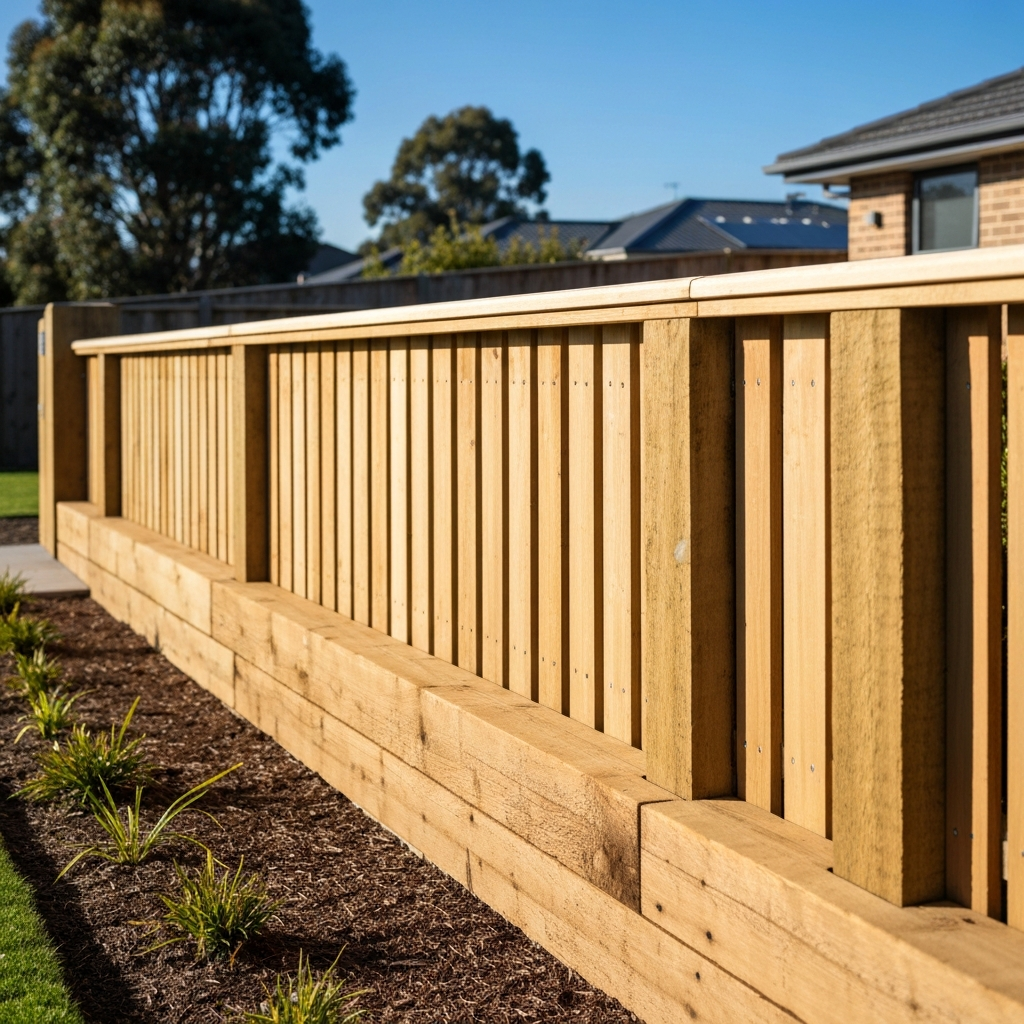
I have seen fencings that were constructed well get harmed anyhow, just due to the fact that maintenance was dealt with like an optional job. I have actually likewise seen average-looking work last surprisingly long, since the proprietors took cleaning seriously and dealt with troubles early. The goal is not ideal upkeep. The goal is stable, clever care that protects your materials against the real enemies: moisture, entraped dirt, salt air, sun damage, mildew, fasteners loosening, and sprinkler overspray.
Below is exactly how I approach fence cleaning and care in the real world, whether you are taking care of timber, vinyl, light weight aluminum, functioned iron, or chain web link, and whether you employed a fencing contractors team or you are the one doing the hands-on work on your own. I'll likewise inform you where individuals obtain it wrong, since fencing damage usually starts as a "small mistake" that compounds for months.
Start with what you really have
Before you order a pressure washer or a gallon of cleaner, recognize your fence material and exactly how it is built. It matters because each material falls short in its very own means, and the incorrect cleaner or approach can shorten the life-span quicker than neglect.
If you worked with a fencing contractor, you likely accessed the very least a basic materials rundown. Still, you need to confirm. Timber fences are not all the same varieties, and "pressure dealt with" is a wide classification. Vinyl can be smooth or textured, and affordable vinyl can obtain breakable sooner. Aluminum and steel look similar at a distance, yet steel corrosions. Wrought iron may be painted or powder-coated, and the covering quality adjustments exactly how boldy you can cleanse it.
A fence company can assist with a fast inspection, however also if you do it yourself, you can learn a great deal by walking the line and checking out the details: Are the blog posts remaining straight or leaning slightly? Do you see environment-friendly or black staining near all-time low? Are there peeling off spots in paint or covering? Are panels scrubing where wind presses them?
One functional practice I speak highly of is to make a fast mental note of "hot spots." Lots of fencings stop working initially in a few foreseeable areas. The locations closest to lawn sprinkler spray and those in color often tend to accumulate gunk and moisture. The corners and gate equipment see one of the most tension. If you deal with those areas earlier, the rest of the fencing typically holds up better.
The cleansing regimen that maintains you from chasing your tail
Most fence issues are not triggered by one significant event. They come from sluggish accumulation: algae and mildew in moist shade, dirt that holds wetness versus timber or steel, and particles that traps water near joints. Cleansing is not practically appearance, it has to do with protecting against that build-up from coming to be irreversible damage.
A reasonable regular relies on climate and exposure. If you live where summer seasons are damp and rainfall is regular, you will likely cleanse more frequently. If you remain in a dry environment with great deals of sun, you may concentrate on sun-faded coatings, liquid chalking, and bolt checks. If you live near the sea, salt will certainly attack steel and degrade finishings earlier than you would expect.
Here is the approach I suggest:
First, do a dry particles removal. Loose fallen leaves and grit act like sandpaper when you wash, and they additionally keep damp gunk stayed with the fence. A tight broom or brush works well for many situations.
Second, choose the least aggressive cleaning technique that fixes the trouble. For routine gunk, a mild clean with a light cleaning agent is typically adequate. For mold and algae, you will certainly require a cleaner designed for that concern, but you still intend to adhere to tag instructions as opposed to "more powerful is better."
Third, wash completely. Deposit from soap, mold cleaners, or cleansers can leave behind a movie that attracts more dust and dulls surfaces. If you utilize a cleaner and don't wash, you can accidentally develop a cleaning cycle that never ever ends.
Fourth, let the fence completely dry before you evaluate results. Some discoloration raises after a complete dry cycle, while some discoloration is really damage that will not "wash off," particularly on old wood.
If you do every one of that, you normally prevent the big blunder: blowing up a surface with too much force. Pressure can drive water into fractures, lift paint sides, and loosen boards or fasteners. A pressure washing machine is a tool, not a default setting.
Wood fencings: cleaning without softening the structure
Wood fences are common, and they are additionally one of the most prone to water exposure. The surface area can look fine while wetness slowly functions its way right into joints and end grain. If you clean timber strongly or at the incorrect time of year, you can set on your own up for premature weathering.
When I cleanse a timber fencing, I search for 2 groups of issues.
The initially is surface development, generally eco-friendly or black staining, in some cases with blurry mildew in shaded locations. The second is embedded grime, which is darker and usually appears even more attire. You usually require different methods for each.
For most timber fences, a soft bristle brush plus a mild cleaning agent service is the starting factor. If mold is the main issue, make use of a mold ranked cleaner, and do it in a way that does not saturate the fencing longer than essential. Avoid cleansing when temperature levels are severe. If the fence is hot from sun, the solution can dry as well quickly and leave streaks. If the fencing will certainly rain quickly, you may not get a complete completely dry time.
An information that matters greater than individuals assume: rinse instructions. I choose washing from the top down and maintaining the spray slightly off angle so it does not force water deep right into joints. If you see any elevated grain that captures a towel, treat it carefully. Timber can feel smooth up until you interrupt the leading layer, and then it comes to be vulnerable.
Quick judgment cues for wood
If the fencing is tidy however you really feel roughness, you could be managing oxidation and surface area wear. That typically calls for fining sand or redecorating instead of simply cleaning up. If paint is peeling off, cleaning alone will not fix it. You require to address the underlying failure, typically moisture motion at the edges.
If boards are cupped or posts have actually changed, cleansing will not turn around structural motion. You can still cleanse to slow down further damages, but you ought to intend repairs.
Vinyl fences: the "looks tidy" catch and why rinse matters
Vinyl fences can be forgiving, yet they are not immune. One of the most common complaint I learn through homeowners is "It still looks dirty regardless of how much I clean it." That usually boils down to residue. Plastic can keep soap movie, and once there is a thin layer of gunk and cleaner deposit, dust sticks faster next season.
Vinyl likewise often tends to show chalking, particularly in solid sun. Milky surfaces can look like permanent dust. Cleaning aids, yet if the plastic is already deteriorated, no cleaner will make it look new.
When cleansing plastic, make use of a cleaner ideal for vinyl and prevent severe solvents. A soft brush assists greater than strength. If you utilize a stress washer, keep distance and stay clear of concentrating on edges where panels interlock. Those seams are the areas where water intrusion can start and where grime accumulates.
One tiny trick I such as: test in a very discreet section. Clean a little area, rinse well, and dry it completely. If you get enhancement, proceed. If you do not, the "dirt" might in fact be sun-related oxidation or ingrained spots that need a specialized treatment.
Aluminum, steel, and wrought iron: cleaning that stops corrosion and covering failure
Metal fences can last a very long time, yet they have a list of opponents. Water that rests versus the surface area, salt direct exposure, and scrapes where covering is damaged can develop into rust points. When rust begins, it spreads out under coatings or along seams.
When I clean steel, I focus on 3 goals: eliminate contaminants, stay clear of destructive coverings, and completely dry as much as practical. If you have actually functioned iron with a powder-coated coating, treat it like you would repainted metal. Prevent unpleasant rubbing that can dull or damage the finish.
For corrosion, the plan relies on intensity. Light surface area rust might clean off with the ideal eliminator and gentle scrubbing up. Flaking rust, bubbling paint, or finishing splitting up means you are past "cleansing." That is a repair job. If the corrosion is energetic, it will maintain coming back till you resolve the damaged area.
Also, watch the equipment. Gateway hinges and lock parts can rust also when the fence rails look penalty. Cleaning those spots, and using suitable lubricant after everything is completely dry, can maintain your fencing functioning smoothly.
I have actually seen home owners spray steel with random cleaners, after that instantly leave. They think they cleaned it, yet they left behind chemical residue, which can plain the finish and bring in grime. Rinsing and drying are not optional when the objective is lasting care.
Chain web link: the "hidden" maintenance that conserves years
Chain web link fencings look durable, yet they are frequently overlooked since they do not show apparent troubles right away. The fence may look penalty, while the layer obtains put on in high-contact locations, and weeds expand at the base, trapping moisture.
Cleaning chain link is mainly regarding particles elimination and rinsing impurities. Algae and mold and mildew can hold on to the mesh, particularly in shaded yards. Dust can likewise gather in the lower rail location. If you have animals, tire tracks, or frequent yard web traffic near the fence, you could have more build-up than you think.
I recommend focusing on the lower area and edges first. Those areas gather one of the most organic product. If you have a fence line under tree cover, anticipate fallen leave debris to become a continuous resource of moisture.
When to utilize a pressure washer, and when to stop
Pressure washing machines are tempting since they really feel reliable. They additionally develop the most pricey blunders when utilized carelessly.
I do make use of stress in some cases, however just with regard for the product. Timber, vinyl, and painted surfaces can obtain harmed by focused pressure. Also aluminum can obtain surface flaws if you run the nozzle also close or utilize expensive pressure.
If you are determined to make use of a stress washer, the safest approach is to professional fence installation maintain the stream broad and the nozzle at a range that does not compel water right into joints. You must additionally prevent striking timber boards at sharp angles where water can obtain pressed into splits. For steel, look for finish damage.
There is likewise a timing element. If you pressure wash and afterwards leave the fence damp for days, you can increase moisture invasion. Cleansing works best when follow-up rinsing and drying out happen fully.
If you are uncertain, work with a fencing contractor for one season as an inspection and cleaning service. Some fencing contractors will certainly do scheduled cleansings, and an one-time see can reveal precisely what your fencing needs, and what it does not.
Don't overlook the "dull" components: blog posts, joints, and fasteners
Most fencing failures trace back to locations that are very easy to miss out on. Seams accumulate crud. Blog posts clear up or rot at the soil line. Bolts loosen up, then water gets in. Gates drag, which emphasizes joints, which results in imbalance, which results in more wear.
Cleaning should attach to examination. If you clean up the fencing line and observe a spot that looks questionable, that is your cue to quit and resolve it. Small issues are less costly than later replacements.
Here is what I check out during a regular cleaning, also if I am refraining fixings that day:
- Post bases where wood fulfills dirt or where water pools after rain.
- The base rail area on steel or plastic fences, where particles heaps up.
- Gate joints and latch factors, where lubrication matters.
- Any location with paint damaging, coating bubbling, or corrosion spotting.
- Edges where panels meet, because water and dirt concentrate there.
You can handle a lot of these checks without fancy tools. A clean surface area makes it less complicated to see what is in fact going on.
A real-world cleansing routine that fits most homeowners
Everyone wants a perfect routine, however weather condition does not adhere to schedules. The sensible response is to plan around periods and direct exposure, after that change based on what you see.
In basic, a lot of house owners benefit from at the very least one solid cleansing pass in the springtime or very early summer, when winter months grime is fresh and noticeable. In humid environments or shaded areas, a second cleansing in late summertime can help regulate mold prior to it ends up being persistent. In sun-heavy environments, you may still cleanse in springtime however spend more attention on finishing condition rather than algae.
If you live near salt air, strategy extra regular examinations. Salt can accelerate corrosion on steel surfaces in such a way that looks unfair up until you understand what the wind brings.
If your fencing looks clean most of the year, you still want to do a seasonal walk-through. Capturing a couple of early concerns is far cheaper than dealing with substitute boards or section repairs.
Products and approaches: select with restraint
People get hostile with chemicals because they want results immediately. I comprehend the lure, yet exaggerating it can cause long-term damages. Solid cleaners can plain coatings, damage down plastic, or engrave particular metal coverings. Bleach-based cleaners can be also severe for some surface areas and can additionally impact nearby plants if overflow is not taken care of carefully.
The policy I comply with is easy: match the item to the trouble and the product. Usage tag directions as your standard. If the label claims wash completely, wash completely. If it says use within specific temperature ranges, regard those ranges.
If you are functioning near landscaping, safeguard plants. Even "secure" items can aggravate foliage, and overflow can stress grass and hedges. Water the surrounding location prior to application if the label suggests it, or make use of barriers to stop service from streaming into plant beds.
If you are uncertain what cleaner is appropriate for your fence type, a fencing company or fencing contractor can steer you towards safe options based on your products and finish.
Spot fixes after cleaning: what to do when you discover damage
Cleaning usually exposes what you could not see before. That is good information, because it implies you can act early.
If you discover peeling off paint on steel, do not just paint over milky sides without preparation. If the covering is failing, you require to get rid of compromised product, after that treat and layer suitably. For timber, if you see soft spots or fractures around bolts, you likely need spot repairs or board substitute. Fence treatment is not just cleansing, it is taking care of the course of water through the structure.
Sometimes one of the most cost-efficient relocation is to quit cleaning up and begin repairs. A fence can look messy when it is actually stopping working at a seam. If you just tidy, you can postpone the unpreventable. If you attend to the underlying failing, maintenance obtains less complicated next season.
Hiring aid: when a fencing company makes their keep
There is a strong situation for generating pros, especially if your fencing is large, difficult to gain access to, or you suspect concealed rot. Fencing treatment is physically requiring, and equipment selections matter. Pressure washing the upside-down can produce damage faster than any neglect.
A fencing contractor can likewise provide a useful advantage: they have seen lots of fencing failings across numerous homes, so they acknowledge patterns. That experience assists with decisions like whether a wood fencing need to be secured or fixed initially, or whether metal covering damage is localized or widespread.
If you work with a fencing contractors team, ask what they intend to do past cleaning. You want evaluation, identification of susceptible areas, cleaning method matched to product, and a prepare for following steps. Some fence firms offer upkeep plans, and others will certainly do detect work like cleaning plus small repair services. Regardless, the worth originates from lowering guesswork.
If you are doing it on your own, you can still borrow the expert frame of mind: evaluate while you clean, prioritize vulnerable locations, and utilize conservative methods.
A brief list you can utilize every time
Cleaning is simpler when you have a repeatable rhythm. When I am functioning a fence line, I keep myself truthful with a fast sequence.
- Remove loosened debris initially, then plan your cleaning solution.
- Test a little area prior to you dedicate to a larger section.
- Clean by material type, after that rinse thoroughly.
- Inspect blog posts, seams, and gateway equipment while surfaces dry.
- If you discover energetic corrosion, soft wood, or coating failing, switch from cleansing to repair.
That series prevents the "laundry it and hope" attitude that causes repeating problems.
Common blunders that destroy fencings much faster than neglect
Maintenance failures frequently originate from well-meaning actions.
One regular error is cleansing as well strongly. Stress can damage surfaces, lift paint edges, and get worse moisture invasion. An additional mistake is making use of the incorrect chemical. Harsh solvents, abrasive cleansers, or incorrect mildew items can break down coatings or leave residue.
Then there is the most significant operational error: avoiding rinse and drying. If you use cleaner and do not eliminate it fully, you can leave a film that keeps dust and speeds up buildup.
Finally, individuals postpone fixings. If you see a loose message, a corrosion place, or peeling covering, cleansing alone may make it look better for a week. The problem still exists. The longer water and exposure proceed in the damaged area, the faster the damage spreads.
How to take care of your fencing in between cleanings
Maintenance is not just what you finish with a brush and tube. Everyday routines can lower just how frequently you require deep cleaning.
Move lawn sprinklers away from fence surface areas if you can. Take care of leakages. Keep irrigation from regularly moistening articles and seams. Trim plant life that touches the fencing. Plants pressed against fencing panels can hold dampness and create color pockets where mildew grows. If you have creeping plants, maintain them managed. Vines can conceal early layer failing and trap wetness against metal or wood.
Also, view just how your landscape drains pipes. If water swimming pools consistently near the fencing line, especially at article bases, that is an architectural threat. Cleaning up helps, but water management is what truly secures long-lasting integrity.
Keeping a fence "in top shape" means being proactive
The expression "top form" sounds like a surface-level objective, yet it is really about timing. Clean prior to dirt comes to be embedded. Examine while the fence is damp and noticeable. Repair service when damages is localized. Recoat or secure when materials are still in great condition.
If you deal with fence treatment as an annual practice rather than a feedback to failing, you will really feel the difference in both look and expense. A well maintained fencing keeps your building looking intentional, and it keeps you from getting stuck in the cycle of spot, stress laundry, paint over, and afterwards watch it peel off again.
Whether you handle it on your own or work with fencing contractors and a fencing company, the principles stay the exact same: match the approach to the product, clean with restraint, and act on what you find. That is exactly how you get a fencing that holds its line through seasons, storms, and the slow-moving work of everyday weather.